At COP29, negotiators are working on a crucial agreement that could mean hundreds of billions of dollars for the poorest countries. However, the slow progress has generated disappointment among observers and protesters. "We cannot allow a bad deal for the people of the world who are already suffering the impacts of climate change," stated one participant.
Critics point to a lack of clarity in the goal and quality of climate financing, as well as its accessibility for vulnerable countries. Mohamed Adow from Power Shift Africa commented that this has been the worst first week in his 15 years of attending the summit. Furthermore, frustration is evident among developing countries, which need concrete actions.
Panama's Minister of Environment, Juan Carlos Navarro, expressed his discouragement at the lack of significant progress at COP29. He highlighted that Panama, despite being one of the least greenhouse gas-emitting countries, is highly vulnerable to the effects of climate change. Despite the challenges, hope remains for achieving agreements like the loss and damage fund.
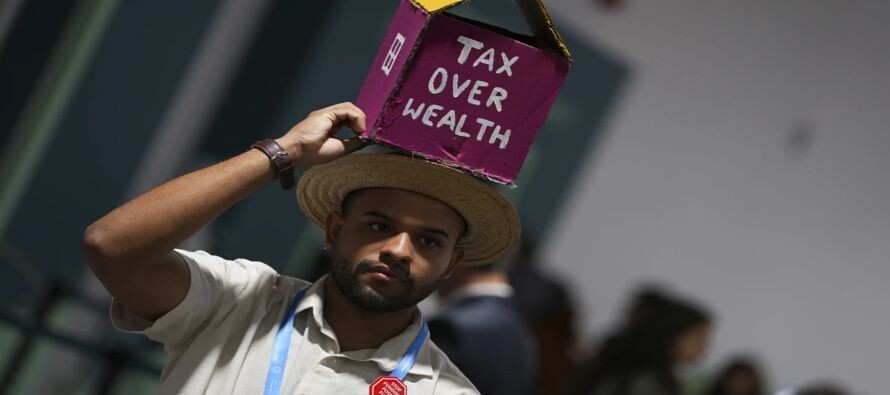
Protesters are calling for more funding for climate financing, essential for the transition to cleaner energy and adaptation to climate change. Despite difficulties, activists like Lidy Nacpil maintain their determination: "The role we play is to increase the pressure."
While some experts estimate that a trillion dollars annually would be needed to compensate for damages and finance the energy transition, discussions around climate financing are progressing slowly. Participants acknowledge that the necessary outcomes may not be achieved in this round of negotiations, but they insist on the fight for a sustainable future.