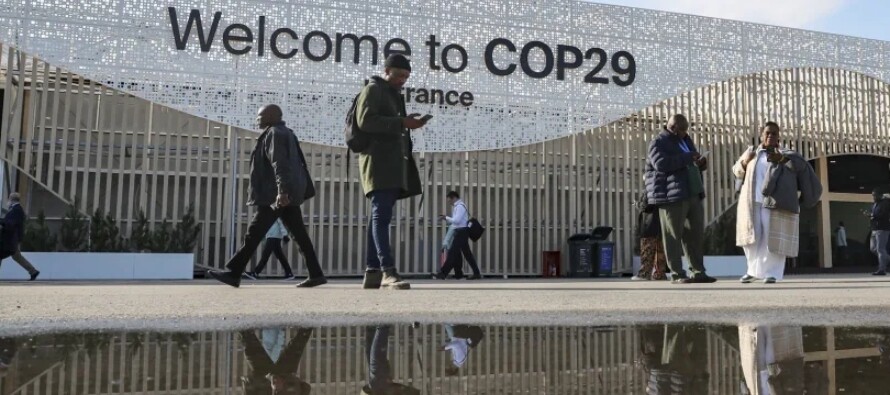
As COP29 progresses, skepticism around the possibility of reaching agreements on financing at the climate summit becomes more evident. It has been reported that more than 1,700 representatives from the gas and oil industry are accredited at the event. The 'Kick Big Polluters Out' coalition has revealed that there are 1,773 representatives from the fossil fuels industry at the summit, a lower number than at previous summits, but higher than in other years. In Baku, there are more representatives from dirty energy than complete delegations from countries vulnerable to climate change. Many of the lobbyists come from wealthy countries, and companies like TotalEnergies, Eni, Sumitomo, Chevron, ExxonMobil, BP, and Shell are present.
In an open letter to the Executive Secretary of the Climate Change Convention, Simon Stiell, climate policy experts expressed concern that climate summits are not fulfilling their function. Following Donald Trump's victory in the U.S. elections, Argentina's exit, and the diplomatic crisis between Azerbaijan and France, the summit already showed significant absences. Activist Greta Thunberg staged a protest in Armenia criticizing the holding of the summit in Azerbaijan, a country reliant on fossil fuels.
The UN Special Rapporteur for environmental defenders, Michel Forst, denounced a climate of fear at COP29 due to surveillance and repression in Azerbaijan. Colombia's Minister of Environment and Sustainable Development, Susana Muhamad, mentioned the tension in negotiations and the limited presence of civil society. Criticism has been directed at the slow pace of negotiations on financing, crucial for determining climate action.
The Swiss government has announced its updated climate plans, along with Brazil and the United Arab Emirates, in line with the requirements of the Paris Agreement. Switzerland has committed to reducing emissions by 50% by 2030 compared to 1990 levels, a goal considered disappointing by environmental organizations that are calling for bolder actions. At this Finance COP, Switzerland is expected to increase its climate financing and support global efforts to combat the climate crisis.