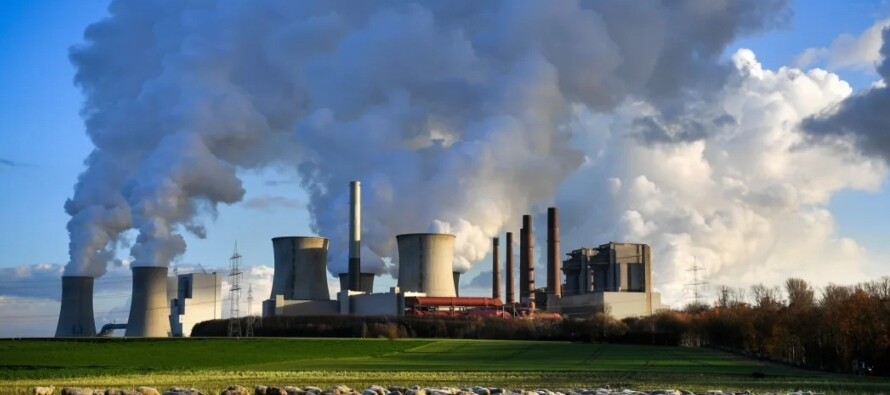
Emissions trading, where the polluter pays, is a key tool for climate mitigation, forcing governments and companies to pay for the CO2 released into the atmosphere. Carbon markets are based on the buying and selling of greenhouse gas emission rights to stimulate the decarbonization of the global economy and reduce CO2 emissions, the main gas causing global warming.
Article 6 of the Paris Agreement urges countries to cooperate to reduce their carbon emissions, allowing the transfer of carbon credits between nations. In this regard, COP29, held in Baku, Azerbaijan, aims to promote these carbon markets to combat climate change.
The establishment of the UN Carbon Market could unlock considerable investment flows and enable countries to meet their national climate commitments more ambitiously. However, concerns arise about the lack of transparency and accountability, as well as the risk of "greenwashing," where companies seek to mask unsustainable actions under the guise of being environmentally friendly.
Experts warn about the need to establish clear standards and robust monitoring mechanisms to ensure that voluntary carbon markets are effective and do not contribute to counterproductive practices. The importance of avoiding arbitrary projects that may result in environmental damage, such as the creation of artificial forests in desert areas that can contribute to desertification and generate new CO2 emissions in the event of fires, is also highlighted.
At COP29, challenges include promoting these regulated and voluntary carbon markets, with the aim of encouraging the adoption of more sustainable practices and effectively combating climate change.